
Getting paid without getting pushy
|
Industry: |
|
|
Finance Type: |
|
Getting paid is taking longer than it has since COVID. 30 days has slipped to 45. 40 days has extended to 60.
Seventy four percent – that’s three out of four small and medium-sized businesses — are juggling overdue invoices.
The cash flow gap between when you invoice a customer and when you actually get paid is getting bigger. That gap means more stress and pressure every payday, as you work to pay your people AND stock up for the next customer order.
The days when you could politely wait for your customer to pay you are no more.
If you’re running a business in the twenty-first century, you need a practical, automated collections process every bit as much as you need your online accounting toolkit.
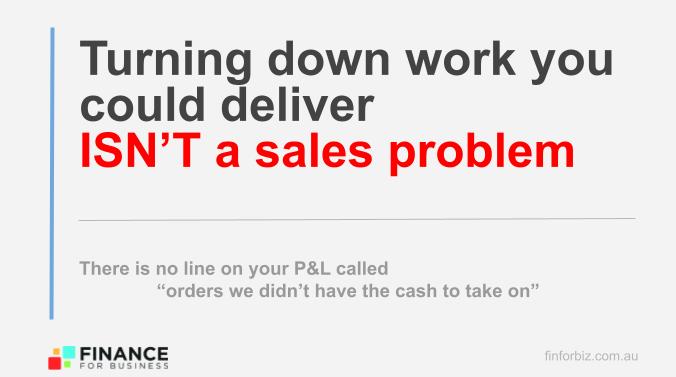
An Introduction to the Dunning Process
Most SME operators are great at the work the business does – but less skilled in administration processes. So I’ve put together this introductory video; along with a practical how-to guide complete with processes and email templates.
Video Transcript
All right, let’s talk about something that I know keeps a ton of business owners up at night – chasing down late payments. It’s stressful. It’s awkward.
But what if I told you we could turn that whole mess into a smooth, professional, and even automated system that gets you paid on time pretty much every time? Let’s get into it.
A silent business killer
First things first. Before we can even talk about a solution, we have to get real about the size of this problem. And trust me, for so many businesses out there, late payments are way more than “just a little annoyance”. They are a genuine existential threat. They are a silent killer.
That’s that’s a pretty heavy statement, right?
It’s not just that the money is late. Think about the ripple effect. It impacts your ability to pay your own bills, to pay your staff, and forget about investing in growth. It just freezes everything.
And this isn’t just a hunch or a feeling people have. The data is crystal clear. Nearly 3/4 – that’s three out of four- small and medium-sized businesses are juggling overdue invoices. And in some fields like construction, it’s almost everybody at a staggering 92%. This isn’t a fluke. It’s a full-blown systemic problem.
You know what’s really scary, though? This whole thing is actually getting worse. It’s speeding up. There’s been a 68% jump in payment defaults year-over-year. That tells you that the pressure on cash flow is getting tighter and tighter. Just waiting to get paid is becoming a massive gamble.
So, this leads us to the million dollar question, doesn’t it? You absolutely need that cash to operate, but you also can’t afford to burn bridges with your customers by being super aggressive. It feels like you’re walking a tight rope. I get it.
The Dunning Process – an old-fashioned name for a smart business process
But there is a smart, structured way to handle this. And that answer, my friends, is a process called dunning. Yeah, I know it sounds like a weird kind of old-fashioned word, but all it really means is bringing a professional, systematic approach to getting paid. It’s about finally moving from that chaos-full chase to a process that’s predictable and totally under your control.
And I want you to think about it like this – because this is huge. Every single day an invoice goes unpaid past its due date. You are literally giving your customer a free loan. You did the work. You delivered the goods, but they’re using your cash. No bank on earth would do that for free. So why on earth should you?
And here’s the crucial thing to understand. Dunning is MOT about being mean or aggressive. Not at all. It is a structured process. It’s a system. It’s all about having a clear, pre-planned road map for how you talk to customers about payments, starting with gentle reminders and only escalating if you really have to. And this [SLIDE] just lays it out perfectly, right?
Over on the left, that’s the old way. It’s pure chaos, stressful, you never do it the same way twice, and you risk messing up good customer relationships.
But on the right, you have the dunning process. It’s structured. It’s professional. And because it takes the emotion out of it, it actually protects those relationships. and best of all, gives you predictable cash flow.
A super-simple five-stage framework
So what does the system actually look like when you put it into action? Let’s pull out the playbook. I’m going to walk you through a simple step-by-step guide that you can actually start using. And here it is, super simple, a five-stage framework.
You see how it starts off really light, a friendly heads up before it’s even due, then a gentle reminder right after, just assuming they forgot. The tone only starts to get a little firmer if the payment is still missing. And then only then do you move to a final notice with clear consequences and maybe as a last resort, a formal handoff. The real magic here is in that gradual professional escalation.
Now, check out the tone of this first email. This is so important. It’s not a demand for money. It’s a helpful service. Just a quick note, that’s it. This one little proactive step can stop a huge number of late payments before they even happen. And it makes you look organized and on top of things.
Okay, now let’s jump ahead to stage four. What difference, right? The tone isn’t just helpful anymore. It is direct, clear, and totally unambiguous. There are specific consequences and a firm deadline. But see, this isn’t some angry threat you typed out in the heat of the moment. It’s just the next logical step in your professional process. The customer knows exactly what’s happening and why.
Turning the plan into process
So, look, having the playbook is one thing. That’s great. But making sure it actually works and that you keep your customers happy, well, that’s all about how you execute it.
So, let’s cover some of the absolute must-do best practices. These right here are the real keys to making this work.
First, keep your messages short, sweet, and to the point. No fluff. And like we said, start early. That gentle nudge before the due date is a game changer. Whenever you can, personalize the message. It just shows you’re paying attention.
And always try to keep an empathetic tone. You just never know what someone’s going through.
Automate the process – inconsistency is a killer
Then you’ve got to be consistent. And honestly, the best way to do that, use automation. It ensures never miss a follow-up and saves you so much time and stress.
I love this because it shows you exactly where things can go wrong and how to fix them. You got different people on your team sending messages with different tones? Nope. Lock it down with templates from one email address. Forgetting to attach the actual invoice. Come on, just automate that.
And this one is the most important. Do not bluff ever. Only state a consequence that you are 100% prepared to see through. Your credibility is everything here.
Measure the reality, don’t “guess”
After all this, here’s the big question. How do you actually know if it’s working? You can’t just go by feel. You need to measure it. You need a hard number you can look at, track, and actually improve over time. And this is that number. It’s called days sales outstanding or DSO.
Your DSO is just a simple average of how many days it takes you to get paid after you make a sale.
Your entire goal is to drive this number down as low as you can possibly get it. Think of it as your scorecard. A lower score means you’re winning. So, let’s make this really concrete.
Flooring contractor example
Let me introduce you to Graham. He’s a flooring contractor, runs a really successful business, but his cash is always locked up. His DSO is a painful 54 days. That means he’s waiting almost 2 months to get the money for a job he’s already finished and paid for.
And bam, look at the results. After Graham put that simple five-stage dunning process into place, he absolutely crushed his DSO. He took it from 54 days all the way down to 29. He literally cut his waiting time in half. Think about all that cash that was freed up for him to actually use and grow his business!
That right there is the power of having a system. So, we’re going to end right back where we started with one simple, but I think really powerful question.
Make your cash flow choice…
Putting a dunning process in place is really about you making a choice. Are you going to run a business with strong, predictable cash flow, or are you going to keep acting as an interest free bank for your customers? The choice and now the tools to fix it are all yours.
So how DO you get paid without getting pushy?
A professional Dunning Process will minimise the potential for slow-paying customers to ignore your invoices.
I’ve documented the key components for building an effective SME Dunning Process in this FREE ebook. It’s a process that helps my customers get paid faster.
It’s a complete guide that includes detailed email copy PLUS straightforward automation suggestions.
Supercharge your Dunning Process with Debtor Finance
A robust Dunning Process is a sign of a well-run business – it’s a sign that you’re serious about running your business and protecting your assets.
But if you’re operating in an industry where 30 day, 45 day and 60 day credit terms are proliferating – then all the good process in the universe may not be sufficient to enable you to actively grow your business. You may survive the storms – but to grow you need plenty of Working Capital.
Today, there is a range of smart, tech-enabled financing tools that enables SME businesses to borrow against their Balance Sheet and grow – even in today’s world of multi-month credit terms.
Is Your Business Stuck in a Cash Trap?
Talk to Martin about how you can get back in the drivers seat